About Jacketed Pressure Vessel
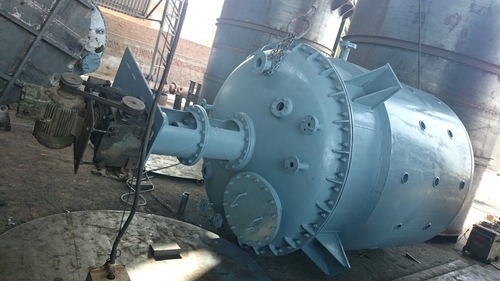
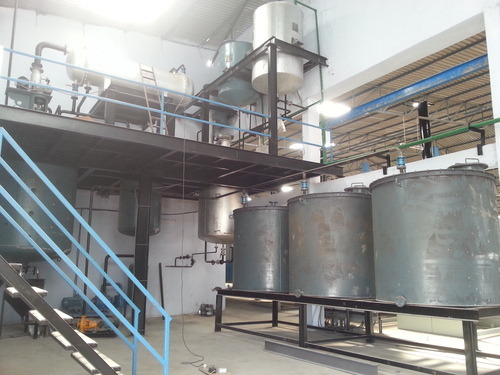
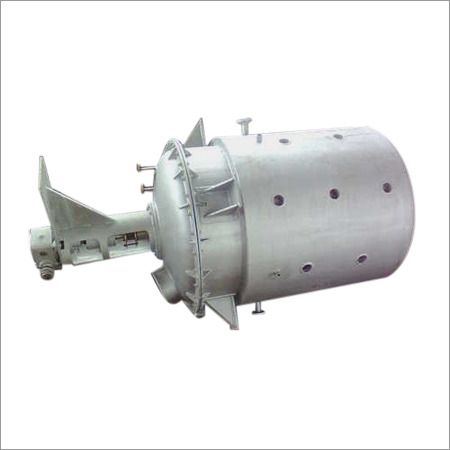
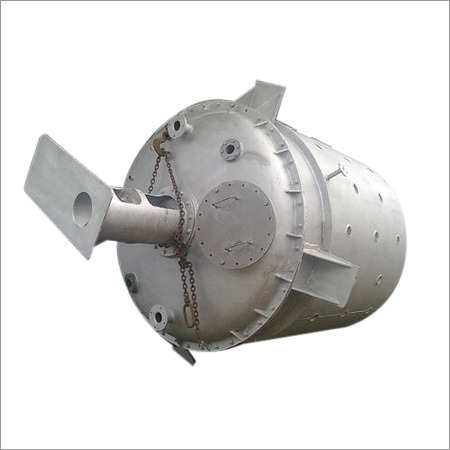
Backed by the rich expertise of 18 years in this field, we are engaged in offering a wide assortment of Jacketed Pressure Vessel. Highly demanded in the paint industry, the provided vessel is used for installing in manufacturing plants for maintaining the temperature of its contents. Manufactured with perfection, this vessel is available in various specifications. Having excellent conventional jackets, the offered Jacketed Pressure Vessel is perfect for transferring heat efficiently.
Features:
- Easy to use
- Longer functional life
- Sturdy design
- Fine finish
Customizable Capacity and ConfigurationOur pressure vessels are tailored to match your process requirements, offering customizable capacities from 500 to 25,000 liters. Every unit can be configured vertically or horizontally, with nozzle arrangements, insulation, and finishes designed per your operational environment and aesthetic preferences.
Robust Safety and ComplianceSafety is ensured through pressure relief valves, safety valves, and optional rupture discs. Vessels are rigorously tested (hydrostatic & pneumatic) and certified in line with ASME, IS, and DIN standards, guaranteeing reliability and adherence to global industry requirements.
Versatile Agitation and Heating OptionsChoose from a range of agitator designsincluding anchor, propeller, or paddle typesdepending on your process needs. Heating jackets can utilize steam, electricity, or oil, while control systems feature precision pressure and temperature gauges for optimal operational efficiency.
FAQs of Jacketed Pressure Vessel:
Q: How is the capacity and design of the jacketed pressure vessel customized for specific industry applications?
A: Each pressure vessel can be engineered for capacities between 500 and 25,000 liters, with design adjustments made according to the application (chemical, pharmaceutical, food, etc.), process requirements, and client specifications. Options for orientation, nozzle configuration, and finish ensure suitability for various industry standards.
Q: What safety features are incorporated in these jacketed pressure vessels?
A: The vessels come with essential safety devices, including pressure relief valves, safety valves, and optional rupture discs. These measures not only protect against over-pressure scenarios but also ensure safe operation, supported by comprehensive hydrostatic and pneumatic testing as per ASME, IS, or DIN standards.
Q: When would I select different heating systems or insulation types for my pressure vessel?
A: Selection of the heating system (steam, electric, or oil) and insulation (mineral wool, glass wool, optional) depends on your process temperature requirements, energy preferences, and product sensitivity. Our design team advises on optimal configurations based on usage in chemical, food, cosmetics, or other relevant industries.
Q: Where can these jacketed pressure vessels be installed, and what mounting options are available?
A: Installation is flexible: vessels can be skid mounted for easy mobility or leg mounted for stability. Placement is determined by production workflow, space availability, and operational safety, making them suitable for integrated or standalone setups in plant environments.
Q: What is the process for customizing nozzle configuration and internal access points?
A: Nozzle configurationincluding quantity, type, and positionis tailored according to your material input/output needs and process flow. Manholes are provided for direct internal access and cleaning, improving operational and maintenance efficiency while maintaining hygiene standards required in sensitive industries.
Q: How does the vessels robust construction and material selection benefit long-term operation?
A: Constructed from corrosion-resistant stainless steel (304/316), these vessels withstand harsh chemical environments, maintain process integrity, and ensure long service life. The optional mirror or matt internal finish also enhances cleaning, reducing contamination risks and facilitating compliance with food and pharmaceutical regulations.





 Send Inquiry
 Get Latest Price

